
Summary:
While cryptocurrencies have radically changed the way we do trading, the very rapid growth of the industry has brought with it a simultaneous attack of crypto scams. As the cryptocurrency price fluctuates every day and as more and more individuals become interested in using cryptocurrency exchanges and wallets, scammers are taking advantage of every opportunity to exploit unsuspecting users.
Thank you for reading this post, don't forget to subscribe!The Growing Popularity of Crypto
Every day, more and more investors are coming into the crypto market because of the many benefits that cryptocurrencies have to offer. As exemplary news sources report on cryptocurrency trends, it is apparent how rapidly these trends come and go. Each new story on a cryptocurrency exchange or cryptocurrency wallet attracts new users who want to participate in the digital world of market economies, and every time that occurs, it further expands the pool of potential victims for the scammers who target those users.
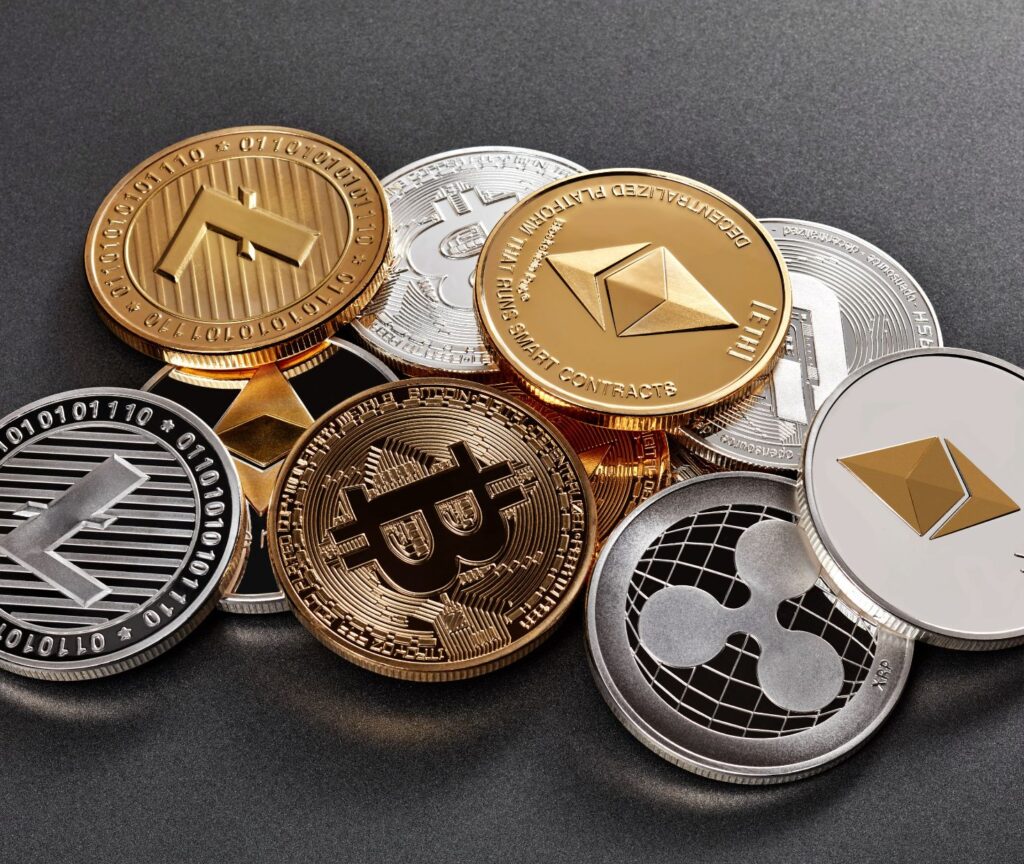
How Crypto Scams Typically Work
1. Fake Investment Platforms
Scammers create websites that appear to be legitimate cryptocurrency trading platforms. The scammers promote their website by promising a high return on investment and providing fake snapshots of their site with a growing balance. After a user makes their deposit into a fraudulent account, the scammer is gone, and/or the user will not be allowed to withdraw their funds.
2. Impersonation Scams
Scammers impersonate “official” representatives of a cryptocurrency exchange or provider of a cryptocurrency wallet and contact users to report that their user accounts need updating, verification, or a security check. In reality, they want users to provide their login info so they can steal their cryptocurrency.
3. Giveaway & Social Media Scams
Numerous fake pages on social media claim to double the amount of cryptocurrency you send to them. Scammers create fake images of the accounts of businesses and use fake logos to appear authentic. New cryptocurrency users who follow cryptocurrency news on social media can easily get tricked by the fake pages due to the convincing nature of the fake posts.
4. Fake Apps and Wallets
Some applications and wallet programs claim to be legitimate wallets; however, the actual purpose of the application or wallet is to collect user deposits. Therefore, once a user makes a deposit into a fraudulent application or wallet, the fraudsters may block the user’s access to the application or wallet, or transfer any cryptocurrency to the fraudster’s address.
Why Crypto Users Fall for Scams
Beginners in the cryptocurrency world may not completely understand how to use all of the technology involved. Words such as ‘private keys’, ‘seed phrase’, and ‘decentralized access’ may be confusing to the user. In addition, many people are tempted by advertisements, social media postings, and cryptocurrency news when they see new opportunities, causing the majority of them to invest without conducting sufficient research.
In addition, due to the volatile nature of cryptocurrency prices, when there is a sudden spike in the market, it causes excitement for the people involved, resulting in fast decisions made by individuals; this is also taken advantage of by scammers.

How to Stay Safe While Using Crypto
Use trusted crypto exchanges
Choose platforms with transparent policies and verified customer reviews.
Secure your crypto wallet
Secure your wallet by never sharing your private keys or seed phrase with anyone, including people who claim to be ‘support staff’.
Follow reliable crypto news sources
Follow real and reputable sources of crypto news via social media and websites, and do not rely on random Telegram channels.
Check before investing
Look for real teams, real social profiles, and real communities behind any project.
FAQ
Q: What is the safest way to store crypto?
A: The best way to keep your cryptocurrency safe is with a secure wallet (recommended to be hardware-based), which will give you more security than just using exchanges.
Q: Are all new tokens risky?
A: Not every token is a risk, but you must do your research before investing in any new project.
Q: Should I trust social media giveaways?
A: No. Most social media giveaways require you to send them crypto, which is usually a crypto scam.
For updates about cryptocurrencies and assistance with issues related to cryptocurrency brokers, please visit the website.