
Summary
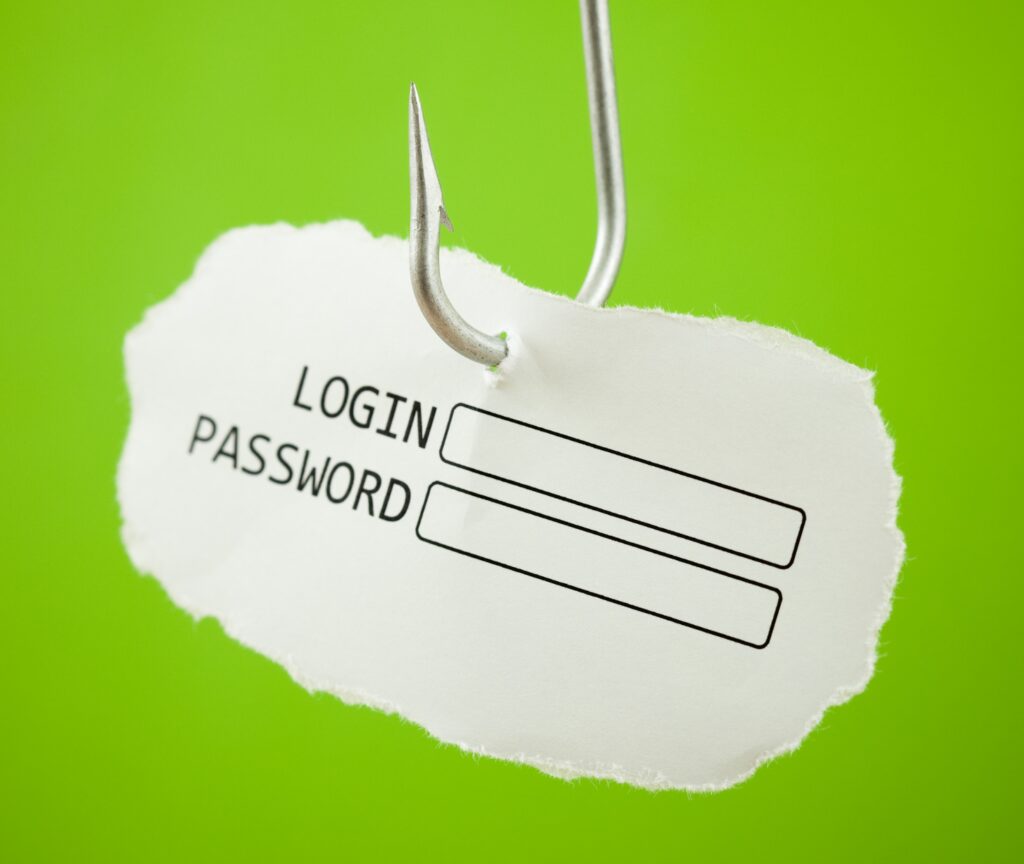
Phishing, a form of cybercrime, is one of the most common and dangerous types of cybercriminal activity in the world today. Phishing emails and messages are designed to mislead individuals into providing the cyber thief with credentials (usernames, passwords) and other personal information (bank account numbers, etc.) and when the cybercriminal has access to this information, it provides them with a significant opportunity for stealing the individual’s identity and/or gaining access to their bank accounts, and/or committing fraud against them.
Thank you for reading this post, don't forget to subscribe!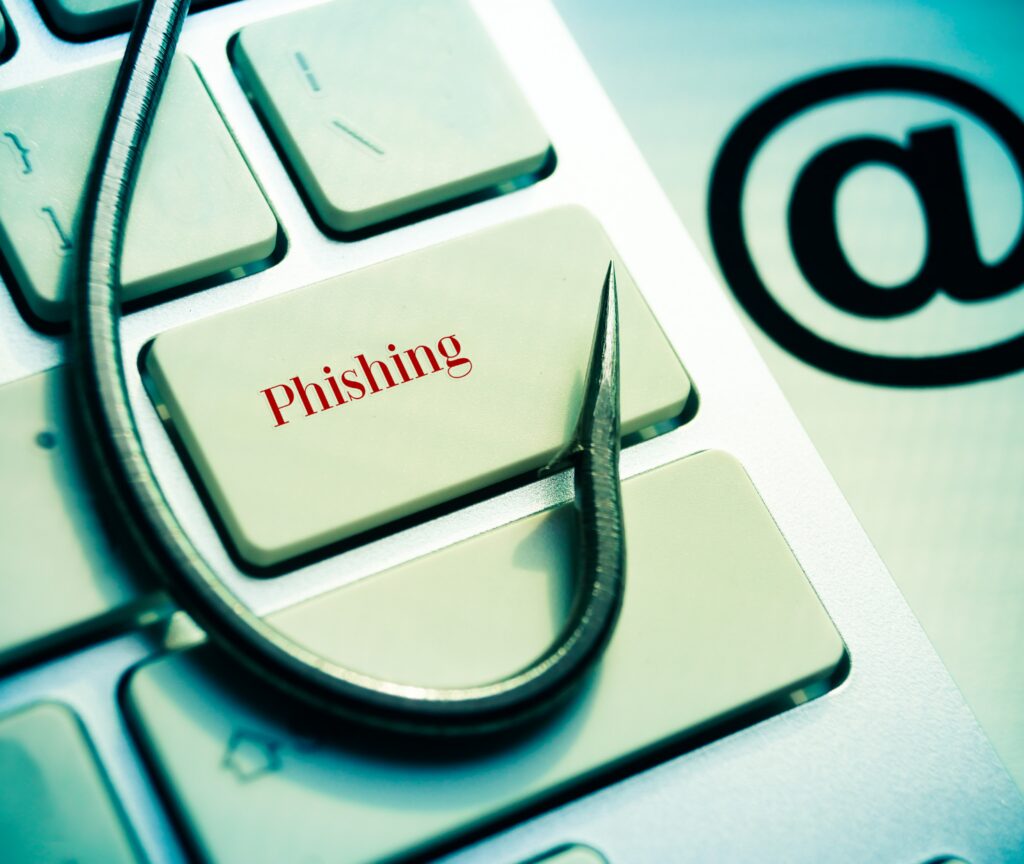
What is Phishing? (Phishing Meaning)
Phishing is one type of attack in the social engineering category, and cyber thieves use the identity of legitimate businesses (ex., banks and telecommunication companies) to deceive victims into giving up their sensitive personal data (ex., usernames, passwords, etc.) or taking actions (clicking on a link, opening an attachment) that risk their online security. Cyber-thieves conduct most phishing attempts through email, although many also use fraudulent text messages (known as “smishing”), fraudulent phone calls (known as “vishing”), and create counterfeit-looking fake Websites to lure victims into falling for them.
Why It’s Called “Phishing”
The term “phishing” derives from the concept of fishing, in which fake offers are shared with a large volume of people, hoping that some of them will respond.
Types of Phishing Attacks
Email Phishing & Phishing Email
Email phishing, or Phishing email, is the most widely used method and involves an attacker sending an email that purports to be from a real company (e.g., their bank, Amazon, etc.) and requesting information
from the victim (e.g., user ID and password) so that their account can be accessed.
Spear Phishing & Whaling
- Spear Phishing: The approach to spear phishing is specific to the target. The attacker will take as much personal or professional information about the individual or company and build a compelling email that will convince them that they are communicating with a legitimate business.
- Whaling: Whaling is a type of phishing attack targeting the top managers, leadership and executives of an organization. The very nature of whaling emails has them frequently sent to the whaling targets by someone in the same organization who has access to significant amounts of money or proprietary information that could be damaging to the target (and the organization if it was known that the email was an internal phishing attack).
Why Phishing Attacks Continue to Thrive?
- Human error remains the biggest factor: According to a recent study in the industry, human error is the primary cause of successful phishing attacks in 2023. In addition, attackers have become more sophisticated by leveraging off-the-shelf phishing kits and using automation and AI to create phishing messages.
- Increased scale and sophistication: Organizations in various industries, including webmail/SaaS, payment, eCommerce, banking, and social media, experienced phishing attempts from 2024 to 2025.
- Broad targeting across industries: Phishing remains one of the most costly forms of data breach, costing both individuals and businesses millions of dollars, and as such, represents a significant risk to organizations’ finances and data.
How to Report and Protect Against Phishing (Phishing Report & Prevention)
- Report suspicious messages: Report any suspicious emails to the IT and/or security teams at your business; many businesses use the information on phishing attempts to strengthen their defences.
- Verify sender authenticity: Authenticate the sender by verifying their email address, checking the link by hovering over it, and checking the contents of the email with the sender via a known method (such as phone) where possible.
- Use security best practices: Utilize safe and secure computing practices such as implementing multi-factor authentication (MFA), using unique passwords for each account, and using a password manager to store your passwords.
- Be cautious with unexpected requests: Be wary of unsolicited requests for immediate action, especially those that require you to click on links or open attachments, as these may be attempts to compromise your computer and/or accounts.
FAQ
Q: Is phishing only about emails?
A: There are various attacks available that incorporate phishing. Phishing includes SMS messages (referred to as “smishing”), voice telemarketing calls (which are called “vishing”), fake URLs or websites that appear legitimate, and using QR code links (also known as “quishing”).
Q: Are phishing scams still rising in 2025?
A: Reports indicate there was a large increase in the number of phishing emails sent out at the end of 2024 and at the beginning of 2025. In addition, new tactics such as AI-generated phishing emails and QR-code-based phishing were on the rise in 2025.
Q: Can big companies be safe from phishing?
A: Not entirely. A large organization is not entirely safe from phishing attacks via phishing emails. Larger organizations typically become victims of a spear phishing attack or a whaling attack. A phishing email may often be delivered via an email account that seems legitimate and is hosted by a legitimate service provider, making it extremely difficult to detect.
Phishing attacks are evolving fast — and so must our defenses. Stay alert, stay informed, and treat every suspicious communication with caution.
For more phishing-related updates and articles, visit us and get a free consultation.